Plastic surgery in 2026 is being reshaped by three powerful forces: precision, personalization, and subtlety. Today’s patients are looking for refined, natural-looking results that enhance rather than alter their appearance. The rise of “stealth aesthetics” reflects this shift, where the best outcomes are the ones no one can quite pinpoint.
At the same time, demand continues to surge. Younger, highly informed patients are entering the market earlier, while existing patients are investing in more comprehensive, long-term aesthetic plans. The influence of social media, increased transparency around procedures, and broader cultural acceptance have all contributed to this growth.
But with opportunity comes complexity. Practices are now expected to deliver a seamless, high-touch experience from initial consultation to post-op follow-up while managing higher volumes, longer treatment plans, and more sophisticated expectations. Practices that can balance clinical excellence with operational efficiency will be best positioned to lead in 2026.
The Business of Aesthetics: Industry Growth & Demand
As the aesthetics industry evolves, it’s also expanding rapidly. According to Fortune Business Insights, the global cosmetic surgery market reached approximately $59 billion in 2025 and is projected to exceed $61 billion by the end of 2026, continuing years of similar increases. This steady growth underscores a fundamental shift: Aesthetic care is becoming a normalized part of personal wellness and self-investment.
Several key drivers are fueling this momentum:
- Social media influence continues to shape patient expectations, increasing awareness of procedures and outcomes
- AI-driven self-education is changing how patients research procedures, with many uploading photos into AI tools to explore treatments and simulate results. They arrive to the pratice more informed, but also with higher expectations for validation during consults.
- GLP-1 weight loss medications are creating a new wave of patients seeking post-weight-loss body contouring
- Male patient demand is rising as stigma decreases and targeted marketing improves
- Consumer willingness to invest in appearance remains strong, even amid economic fluctuations
For practices, this growth presents both opportunity and pressure. Higher patient volumes require more efficient workflows. Longer, multi-procedure treatment plans demand better coordination. And rising expectations mean that every touchpoint must feel seamless and premium.
This is where intelligent, connected platforms become essential. Practices that unify clinical, operational, and financial workflows can reduce administrative burden, improve patient satisfaction, and capture more revenue without adding complexity.
Top Plastic Surgery Trends to Watch in 2026
As patient expectations continue to evolve, the most successful plastic surgery practices will be those that stay ahead of both clinical and operational trends. The following trends highlight where demand is growing, how preferences are shifting, and what practices can do to stay competitive in an increasingly sophisticated and experience-driven market.
1. Natural-Looking Facial Rejuvenation
Procedures Driving This Trend:
- Fat grafting
- Deep-plane facelifts
- Mini facelifts
Why It’s Trending
The era of overdone, highly visible cosmetic work is fading. In its place, patients are prioritizing subtle, refreshed results that preserve their natural identity. This shift is especially evident among younger patients entering the surgical market, who are seeking preventative or early-intervention procedures rather than corrective ones later in life. While these are not new procedures, their techniques and options are more refined and ever expanding the options availaable to the surgeons. For example, a deep-plane facelift may also include gland removal to create a highly sculpted neckline. And fat grafting is quickly taking its rightful place as a more natural approach, displacing fillers.
How to Incorporate It Into Your Practice
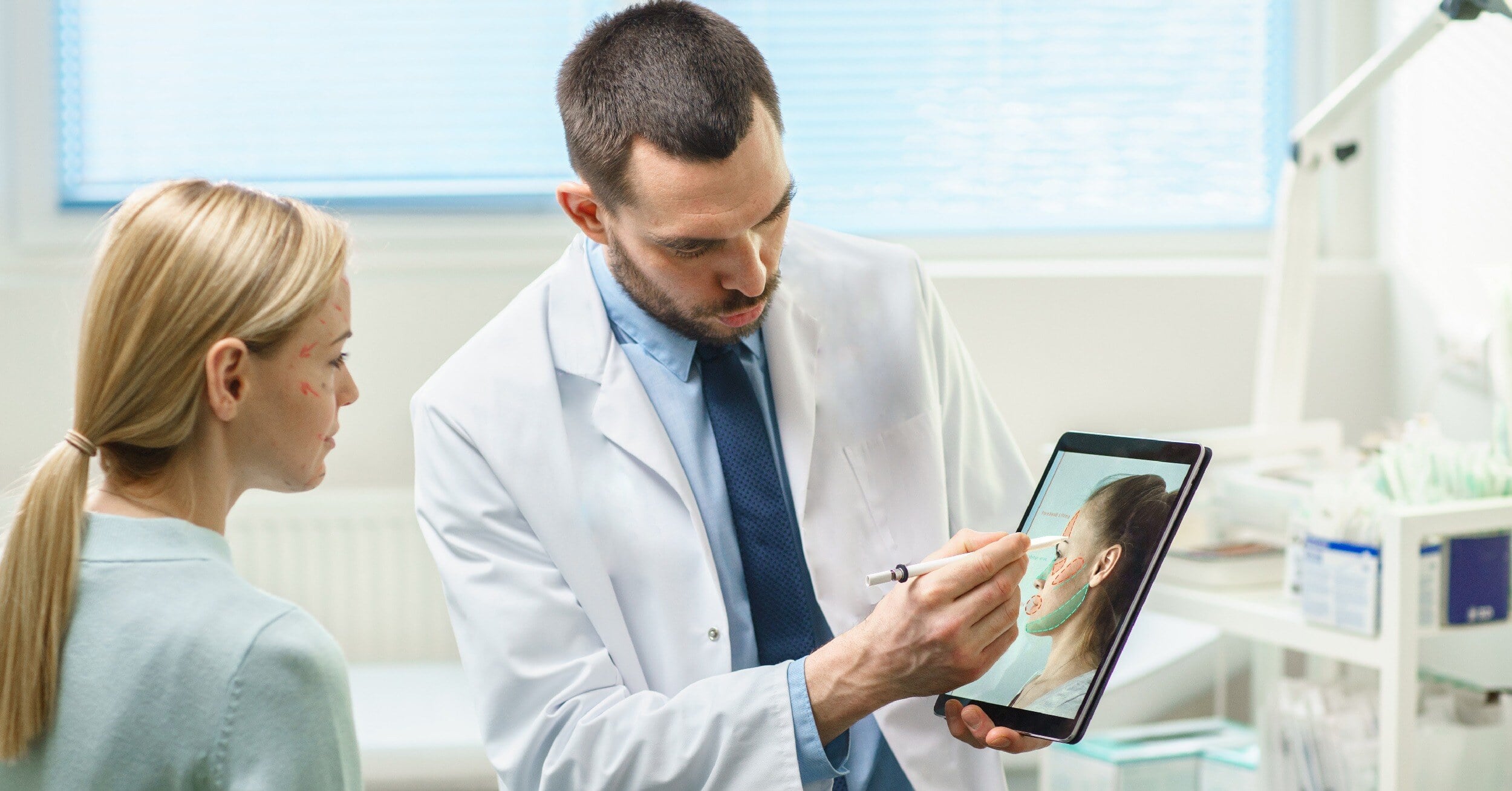
To meet this demand, practices should invest in advanced surgical training and techniques that deliver nuanced outcomes. Visual consultation tools – such as more precise and standardized before-and-after imaging and simulation – can help set realistic expectations and build trust. Marketing should also evolve to highlight natural results, focusing less on transformation and more on refinement.
2. Skin Removal After Weight Loss
Procedures Driving This Trend:
- Lower body lifts
- Arm lifts (brachioplasty)
- Thigh lifts
Why It’s Trending
The widespread adoption of GLP-1 medications has introduced a new category of patients: individuals who have achieved significant weight loss and are now seeking to complete their transformation. For many, excess skin becomes the final barrier to feeling fully confident in their results.
How to Incorporate It Into Your Practice
These patients often require comprehensive, staged treatment plans. Practices should consider bundling procedures into cohesive transformation packages and aligning consult, surgical, and follow-up workflows accordingly. Longer decision cycles make CRM-driven, procedure-specific nurture campaigns and personalized follow-ups critical to maintaining engagement and converting consultations into procedures.
3. High-Definition Body Contouring
Procedures Driving This Trend:
- Liposculpture
- Abdominal etching
- 360 body contouring
Why It’s Trending
Patients are increasingly seeking an athletic, sculpted appearance rather than simple fat reduction. Influenced by fitness culture and social media, the goal is definition — not just slimming. This has elevated demand for high-precision body contouring techniques that enhance muscle visibility and symmetry.
How to Incorporate It Into Your Practice
Delivering these results requires both technical expertise and advanced visualization tools. Practices should invest in imaging technologies that allow patients to clearly understand potential outcomes. Operationally, these procedures often require longer OR time and more complex scheduling, making efficiency and resource optimization essential.
4. Smaller & More Personalized Breast Procedures
Procedures Driving This Trend:
- Smaller implants
- Implant removal (explant)
- Fat transfer breast augmentation
Why It’s Trending
There is a clear shift away from larger, more noticeable augmentations toward results that feel proportional and aligned with the patient’s natural anatomy. Patients are also more informed than ever, considering long-term implications and exploring non-implant options.
How to Incorporate It Into Your Practice
Practices should expand their offerings to include both implant-based and non-implant procedures, ensuring patients have a full range of options. Education plays a critical role here. Consultations should focus on long-term outcomes, lifestyle alignment, and patient goals. Tracking outcomes and satisfaction data also can help refine recommendations and improve results over time.
5. Male Aesthetic Procedures
Procedures Driving This Trend:
- Gynecomastia surgery
- Jawline contouring
- Hair restoration
Why It’s Trending
The male aesthetics market continues to grow as stigma declines and awareness increases. Men are becoming more proactive about their appearance, seeking procedures that enhance confidence while maintaining a natural, masculine look.
How to Incorporate It Into Your Practice
Attracting and retaining male patients requires thoughtful adjustments to both branding and experience. Messaging should be tailored to resonate with male concerns and goals, while staff should be trained to deliver a discreet, comfortable experience. Offering private consultations, flexible communication channels, and streamlined follow-ups can make a significant difference.
6. AI-Driven Patient Experience & Practice Efficiency
Popular Applications Driving This Trend:
- AI-powered clinical documentation (scribe tools)
- Automated patient communication and follow-ups
- Predictive scheduling and resource optimization
Why It’s Trending
As patient demand rises, so does the strain on providers and staff. Burnout, staffing shortages, and administrative burden are pushing practices to find smarter ways to operate. At the same time, patients expect faster responses, more personalized communication, and a seamless experience across every interaction.
How to Incorporate It Into Your Practice
AI is quickly becoming a foundational tool for modern practices. AI-powered documentation solutions can reduce charting time and improve accuracy, allowing providers to focus more on patient care. Automation can streamline follow-ups and ensure no opportunity slips through the cracks, while predictive tools can optimize scheduling and resource allocation. The key is integration. Practices that connect AI capabilities across clinical, operational, and financial workflows will see the greatest impact — improving efficiency, consistency, and patient satisfaction all at once.
7. The Well-Informed, Highly Discerning Patient
What’s Driving This Trend:
- Access to online education, social media, and AI tools
- Greater transparency around procedures, pricing, and outcomes
- Increased comparison shopping across providers
Why It’s Trending
Today’s patients are doing more research than ever before, and they’re arriving at consultations with specific questions, preferences, and expectations. They’re evaluating results as well as evaluating the entire experience, from expertise and technology to communication and trust. This shift is raising the bar for practices to demonstrate credibility, consistency, and value at every touchpoint.
How to Incorporate It Into Your Practice
Practices should elevate the consultation experience with clear education, visual tools, and data-backed recommendations. Strong online presence, reputation management, and transparent communication are critical to building trust before the first appointment even happens.
8. Personalized, Multi-Treatment Plans
What’s Driving This Trend:
- Demand for natural, individualized results
- Growth in combination procedures and full-body transformations
- Longer-term approach to aesthetic care
Why It’s Trending
Patients are moving away from one-off procedures and toward comprehensive treatment plans tailored to their anatomy, goals, and lifestyle. The focus is on achieving balanced, cohesive results over time rather than isolated improvements, making personalization a key differentiator for modern practices.
How to Incorporate It Into Your Practice
Practices should shift toward consultative, long-term care models that map out multi-step treatment plans. Leveraging integrated systems to track patient history, preferences, and outcomes ensures continuity and consistency, while also creating opportunities for ongoing engagement and revenue growth.
Outdated Plastic Surgery Trends to Leave Behind in 2026
As patient expectations evolve and competition intensifies, what once worked for plastic surgery practices is no longer enough to sustain growth. Today’s patients are more informed, more selective, and more focused on outcomes that feel authentic to them. This means practices must not only adopt new procedures, but they also must rethink outdated approaches that create friction, limit personalization, or fail to align with modern patient values.
Some trends to leave behind include:
- Overly dramatic, unnatural results that no longer align with patient preferences
- One-size-fits-all procedures that ignore individual goals and anatomy
- Disconnected patient journeys, where manual follow-ups and fragmented systems create friction
- Over-reliance on single procedures instead of comprehensive treatment plans
Turn Plastic Surgery Trends into Growth
The trends shaping plastic surgery in 2026 represent a blueprint for growth. Success will be defined by personalization, precision, and connectivity. Practices leading the way will be those that can translate these trends into action: delivering natural, personalized outcomes; offering comprehensive treatment plans; and creating a seamless, high-end patient experience from start to finish.
But clinical excellence alone isn’t enough. Operational efficiency, connected systems, and intelligent automation are what enable practices to scale without sacrificing quality. When workflows are streamlined and systems are unified, teams can focus on what matters most: delivering exceptional care.
Ready to turn these trends into measurable growth? Nextech’s intelligent, connected platform helps you streamline workflows, elevate the patient experience, and capture more revenue without adding complexity. Request a demo to see how your practice can consistently deliver excellence in 2026 and beyond.
About the Author
Robin Ntoh is VP of Aesthetics at Nextech. A recognized expert in the business of elective healthcare an